After submitting the form below, we will contact you to provide a consultation.


Remote Diagnostic and Treatment Consultation
Dear Parents and Families,
We are pleased to inform you that the Pediatric Neuroimmunology Subspecialty Clinic, staffed by Dr. Mohammad Mehdi Nasehi and Dr. Faezeh Ghenaati, is held at Mofid Children’s Hospital.
The clinic provides evaluation, diagnosis, and follow-up care for children with autoimmune neurological disorders.
Location: Mofid Children Hospital
Pediatric Subspecialty Clinic
Remote Diagnostic and Treatment Consultation Department
The Diagnostic and Treatment Consultation Department of the Neuroimmunology Center is one of the key components of the center’s services. It was established with the aim of providing accurate assessments, timely diagnoses, and individualized treatment plans for each patient. By leveraging specialized medical expertise and advanced technologies, this department facilitates the accurate diagnosis of neurological disorders, particularly those affecting the white matter of the brain.
Main Objectives
-
Accurate and early diagnosis of neurological diseases through clinical data, medical imaging, and specialized diagnostic tests
-
Developing individualized treatment plans based on each patient’s physical and psychological condition, as well as their lifestyle
-
Continuous monitoring of treatment progress and symptom improvement through in-person or online consultations
Types of Consultations
1. Specialized In-Person Consultation:
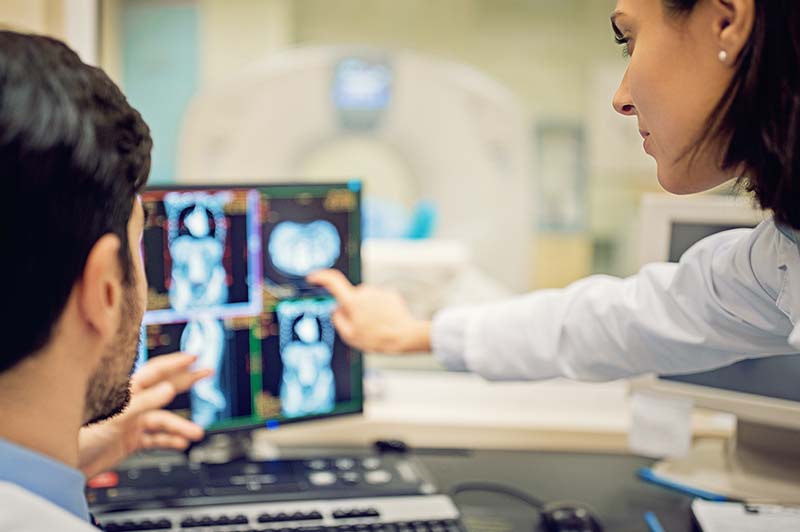
Patients can visit the center and receive consultations from specialists in neurology, psychiatry, psychology, nutrition, and neurophysiology. These sessions include a comprehensive medical history, neurological examination, and review of laboratory results and MRI or CT scans.
2. Online Diagnostic and Treatment Consultation:
For patients who are unable to visit the center in person, remote consultation services are available. Patients can communicate with the medical team through video or text-based consultations by submitting their medical records, imaging reports, EEG results, and other relevant documents. This approach improves access to specialized healthcare services for patients across the country and even those living abroad.
3. Multidisciplinary Consultations:
In complex cases, a team of specialists, including neurologists, immunologists, psychiatrists, and nutrition specialists, jointly reviews the patient’s medical records and determines the most appropriate treatment approach.
Consultation Process
-
Collection of the patient’s initial information and medical records
-
Review by the physician or specialized medical team
-
Provision of a preliminary diagnosis and recommendation of additional tests, if necessary
-
Development of a treatment plan, which may include medication, nutritional therapy, psychotherapy, or rehabilitation
-
Follow-up appointments to monitor the patient’s condition and treatment progress
Benefits
-
Saving patients’ time and reducing healthcare expenses
-
Minimizing the need for repeated in-person visits
-
Providing specialized services to patients in remote and underserved areas
-
Maintaining continuous communication between patients and physicians for long-term disease management