After submitting the form below, we will contact you to provide a consultation.



Pediatric Neuroimmunological Disorders
Pediatric Neuroimmunological disorders refer to a group of conditions in which the immune system mistakenly attacks cells and tissues of the central nervous system, including the brain, spinal cord, and optic nerves.
These disorders can cause a variety of symptoms, such as motor weakness, visual disturbances, balance problems, behavioral changes, and, in some cases, seizures.
Some of the most important neuroimmunological disorders in children include Multiple Sclerosis (MS), Neuromyelitis Optica Spectrum Disorder (NMOSD), Autoimmune Encephalitis (AIE), and post-infectious neurological disorders.
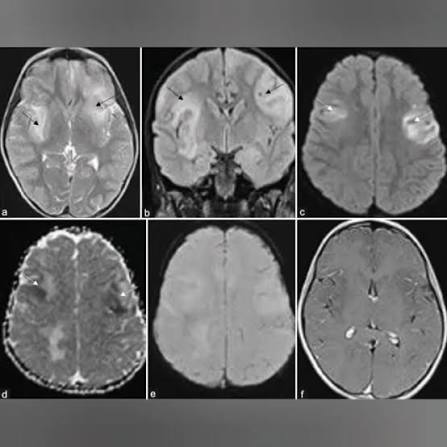
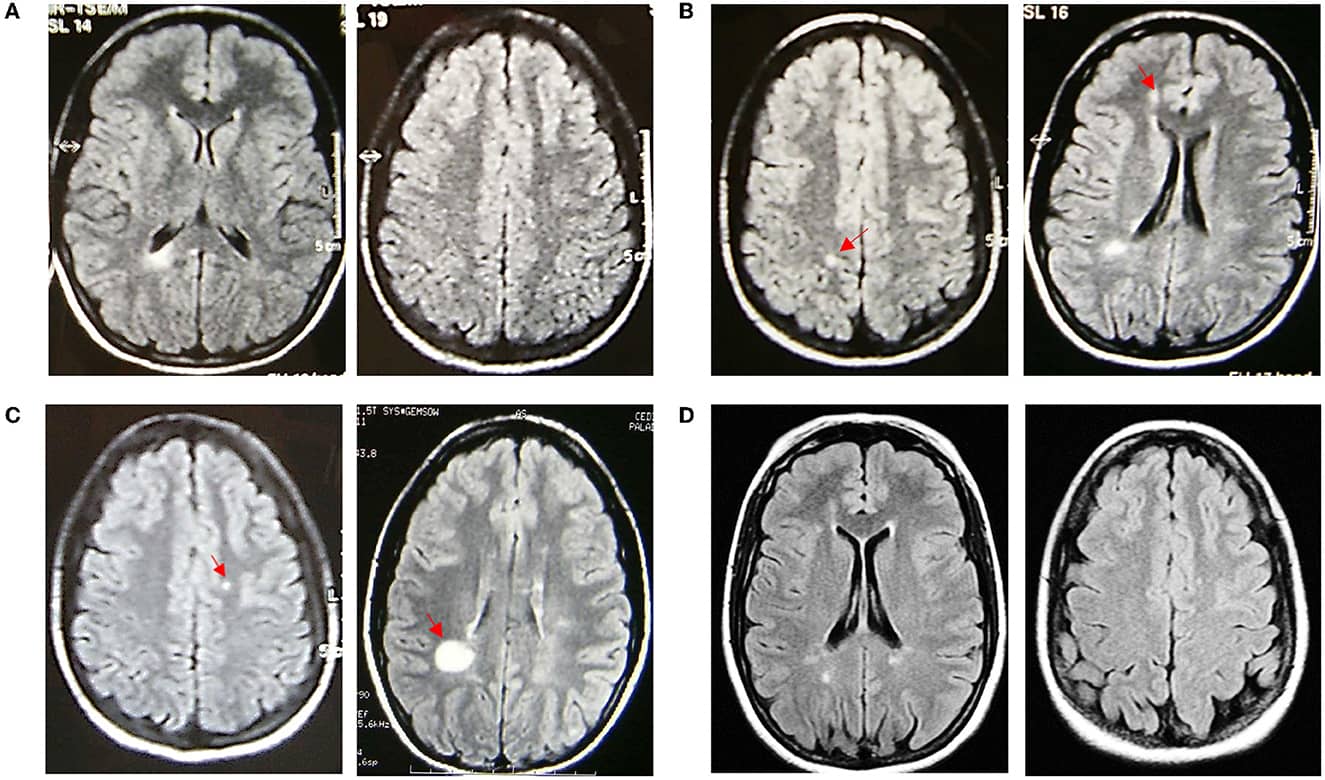
Diagnosing these conditions requires comprehensive clinical assessments, immunological laboratory tests, and brain imaging studies. Treatment typically focuses on controlling inflammation and regulating immune system activity.
Pediatric Neuroimmunology Center Services


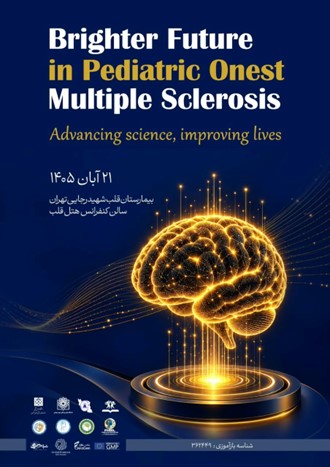
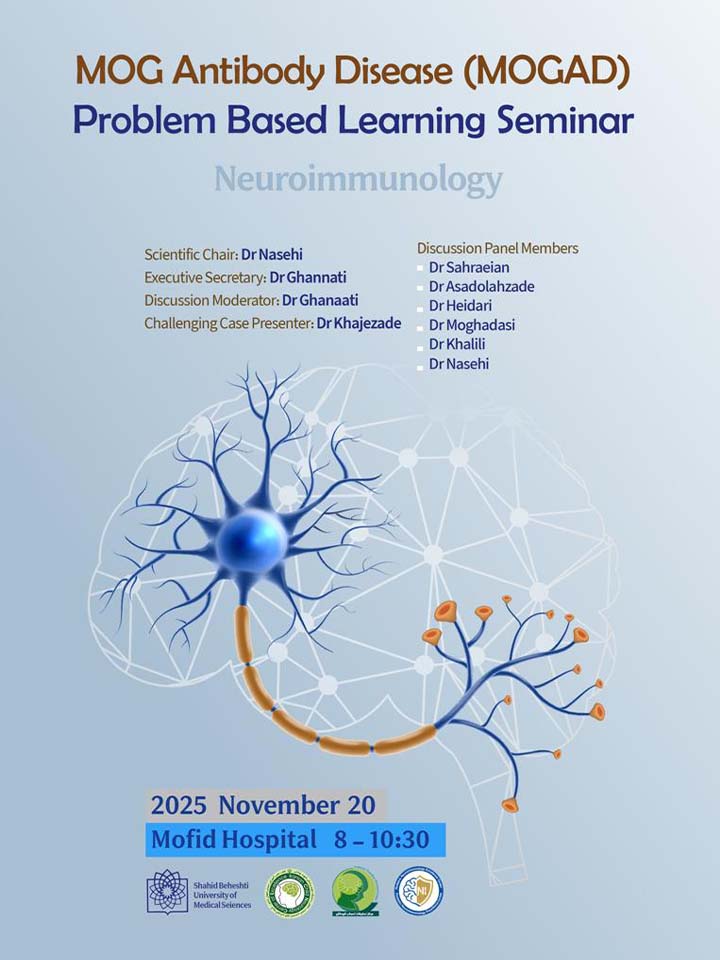
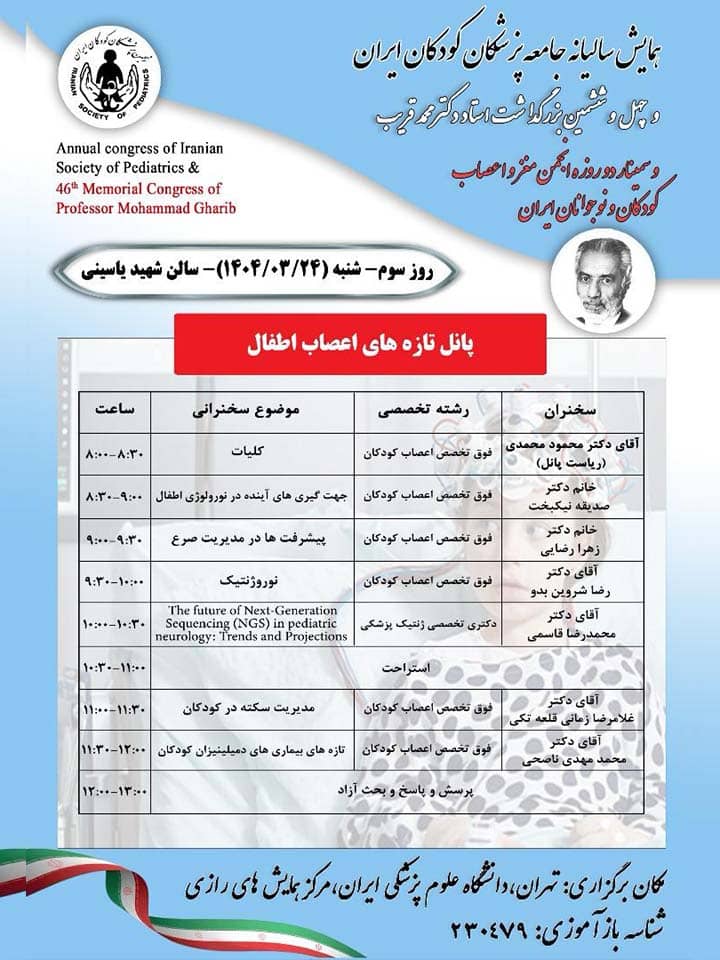
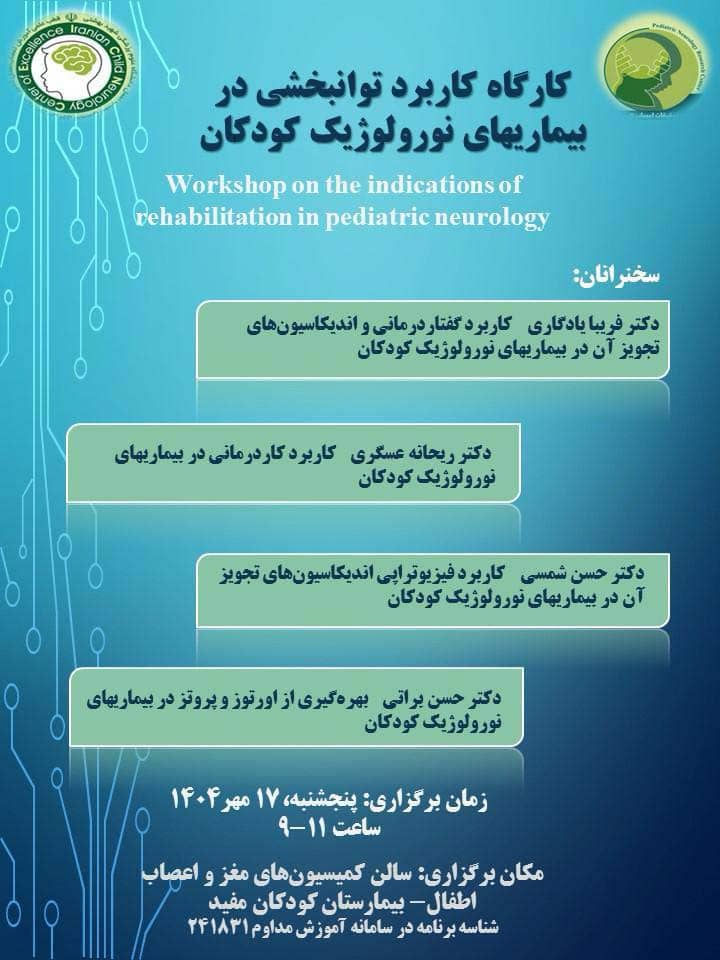
Recent Events